
Frequently Asked Questions
What is water damage repair?
Water damage repair involves the process of restoring a property affected by water intrusion, which can result from leaks, floods, or other sources. This service includes removing excess water, drying affected areas, and repairing any damage to structures and materials.
How much is remediation?
The cost of remediation varies based on the extent of damage and specific services required. For an accurate estimate, it's best to contact Steamworks for a personalized quote tailored to your needs.
What is mold removal?
Mold removal is the process of identifying, containing, and eliminating mold growth from surfaces in homes or businesses to restore a safe and healthy environment. This typically involves specialized cleaning techniques and preventive measures to avoid future mold issues.
What are restoration services?
Restoration services are professional solutions designed to repair and restore properties affected by water damage, fire, mold, or other disasters, ensuring a safe and clean environment for homes and businesses.
Can I get a quote?
You can easily get a quote from Steamworks. Simply contact us through our website or give us a call, and we’ll provide you with a detailed estimate tailored to your cleaning needs.
How to restore water damage?
Restoring water damage involves promptly removing excess water, drying affected areas, and addressing any mold growth. It's crucial to assess the damage thoroughly and consider professional help to ensure proper restoration and prevent further issues.
What causes water damage?
Water damage is caused by various factors, including leaks from plumbing, roof damage, flooding, and condensation. These issues can lead to significant structural damage and mold growth if not addressed promptly.
Is mold remediation expensive?
Mold remediation can be costly, but the price varies based on the extent of the problem and the methods used. Investing in professional remediation is essential to ensure safety and prevent further damage to your property.
Who does mold remediation?
Mold remediation is typically performed by certified professionals who specialize in identifying and removing mold from residential and commercial properties. These experts use specialized equipment and techniques to ensure safe and effective mold removal.
What steps are involved in water damage repair?
The steps involved in water damage repair include assessing the damage, extracting water, drying and dehumidifying the area, cleaning and sanitizing affected surfaces, and finally, restoring and repairing any structural damage.
How long does mold removal take?
The duration of mold removal can vary significantly based on the extent of the infestation and the affected area. Typically, the process takes anywhere from a few hours to several days to ensure thorough remediation and safety.
What factors affect remediation costs?
The factors that affect remediation costs include the extent of damage, the type of materials involved, the complexity of the cleaning process, and the necessary equipment or techniques required for effective restoration.
What types of restoration services are available?
The types of restoration services available include water damage restoration, fire damage restoration, and mold remediation. Steamworks is dedicated to restoring your property to its original condition with professional and eco-friendly solutions.
How can I request a quote online?
You can request a quote online by visiting the Steamworks website and filling out the quote request form. Simply provide your contact details and the specific cleaning services you need, and our team will get back to you promptly.
What equipment is used for water damage restoration?
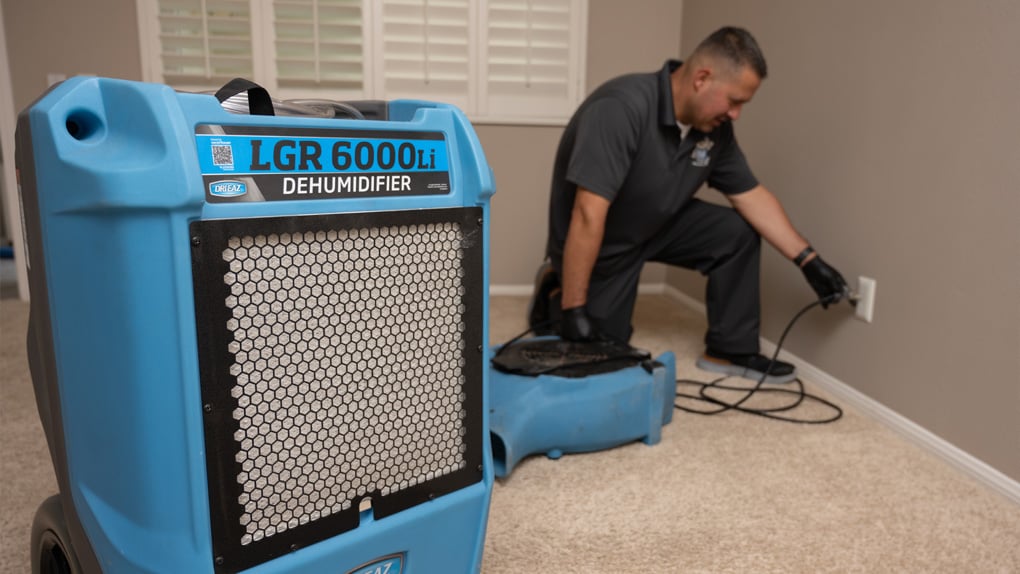
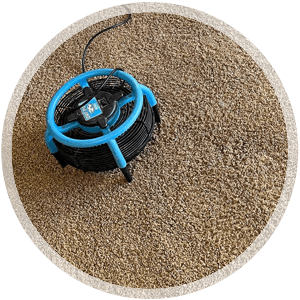
The equipment used for water damage restoration includes industrial-grade dehumidifiers, air movers, moisture meters, and specialized extraction tools to remove water effectively and promote drying. These tools ensure thorough restoration and prevent further damage.
How do professionals assess water damage?
Professionals assess water damage by inspecting the affected areas, using specialized tools to measure moisture levels, and identifying the source of the water intrusion. This thorough evaluation helps determine the extent of damage and necessary remediation steps.
What are the signs of mold growth?
The signs of mold growth include visible mold patches, a musty odor, water stains on walls or ceilings, and increased humidity levels. If you notice these symptoms, it’s essential to address them promptly to prevent further issues.
Is mold removal covered by insurance?
Mold removal coverage by insurance varies based on your policy. Typically, if mold results from a covered peril, such as water damage, it may be included. Always check with your insurance provider for specific details regarding your coverage.
What should I do after water damage?
After experiencing water damage, it is essential to act quickly. Begin by stopping the source of the water, removing standing water, and drying affected areas. Then, contact a professional restoration service to assess and remediate the damage effectively.
How can I prevent future water damage?
Preventing future water damage involves regular maintenance, such as inspecting and repairing roof leaks, cleaning gutters, and ensuring proper drainage around your property. Additionally, consider installing a sump pump and using water-resistant materials in vulnerable areas.
What health risks are associated with mold?
The health risks associated with mold include respiratory issues, allergic reactions, and potential infections, particularly in individuals with weakened immune systems. Prolonged exposure can exacerbate asthma and lead to chronic health problems.
What is the process for mold remediation?
The process for mold remediation involves identifying the source of moisture, containing the affected area, removing contaminated materials, cleaning surfaces, and restoring the environment to prevent future growth. Proper safety measures are essential throughout the process.
How often should I check for mold?
Regular mold inspections are essential for maintaining a healthy environment. It’s recommended to check for mold every 6 to 12 months, especially in areas prone to moisture, such as basements and bathrooms.
What are the benefits of professional restoration services?
The benefits of professional restoration services include expert assessment, efficient cleanup, and advanced techniques that ensure thorough restoration. These services help minimize damage, prevent mold growth, and enhance the overall safety and comfort of your space.
Can I stay in my home during remediation?
Staying in your home during remediation is generally not recommended due to safety concerns and potential exposure to contaminants. It's best to seek alternative accommodations until the process is complete for your health and comfort.
What is the difference between cleaning and restoration?
The difference between cleaning and restoration lies in their objectives. Cleaning focuses on removing dirt and stains, while restoration aims to repair and revive damaged materials to their original condition, often after water or fire damage.
How do I choose a restoration company?
Choosing a restoration company involves considering their experience, certifications, customer reviews, and response time. Ensure they offer comprehensive services and utilize eco-friendly practices to guarantee quality and safety for your home or business.
What should I look for in a quote?
When evaluating a quote, consider the scope of services offered, pricing transparency, and any additional fees. Ensure the quote outlines the cleaning methods used and includes a satisfaction guarantee to ensure quality service.
What are common causes of water damage?
Common causes of water damage include plumbing leaks, overflowing bathtubs or sinks, roof leaks, and severe weather conditions. Promptly addressing these issues is crucial to prevent further damage and maintain a safe environment.
How can I identify hidden mold?
Identifying hidden mold involves looking for signs such as musty odors, discoloration on walls or ceilings, and moisture in areas like basements or behind appliances. Regular inspections can help detect mold before it becomes a larger issue.